
Maintaining a high-performance data infrastructure requires constant attention to the physical components that support it, especially your network cables. You should replace your cables when you begin experiencing recurring connectivity issues, unexplained slow data transfer speeds, signal interference, or visible physical wear such as fraying, kinks, crushed insulation, or exposed wiring. Upgrading is also necessary when your existing cabling no longer meets current bandwidth requirements or industry standards, such as when older Cat5 or Cat5e systems struggle to support modern cloud applications, VoIP systems, or high-density device environments.
Even if there are no obvious failures, cables that are more than 7-10 years old in high-usage commercial settings can become performance bottlenecks. Recognizing these signs early prevents downtime, protects network security, and ensures your infrastructure can scale with business growth.
At Clever Cabling, we regularly assess commercial environments where aging or improperly installed wiring is quietly undermining productivity. Our team specializes in structured commercial network cabling in Toronto, helping businesses identify performance gaps before they escalate into costly outages. We design and implement cabling systems that align with current and future operational requirements. By taking a proactive approach to cable replacement and upgrades, organizations can maintain fast, secure, and reliable connectivity across every workstation, server room, and operational floor.
Physical damage is often the most obvious sign that your infrastructure needs an upgrade. Cables tucked under desks or run through tight conduits face constant stress. You might notice fraying on the outer jacket or exposed copper strands near the connectors. Such issues create safety hazards and lead to intermittent signal loss. If you spot kinks or sharp bends in your Ethernet lines, the internal twisted pairs might be compromised. Our network wiring service specializes in identifying these hidden weak points before they lead to a total system crash.
Environmental factors in Ontario also play a significant role in cable longevity. Dust buildup, moisture, and extreme temperature shifts can cause the plastic casing to become brittle over time. A commercial cabling contractor in Ontario frequently deals with cables that have hardened or cracked due to poor climate control in server rooms. If your wires feel stiff or show signs of discolouration, the integrity of the insulation is likely gone. Replacing these components immediately prevents crosstalk and electromagnetic interference from ruining your data flow.
Slow data transmission is a primary indicator that your cabling has reached its limit. You might find that your hardware supports gigabit speeds, but your actual throughput feels sluggish. Older Category 5 (Cat5) cables cannot handle the bandwidth demands of modern cloud applications or high-definition video conferencing. If your team experiences lag or frequent buffering, your physical layer is likely the bottleneck.
We check for “packet loss,” which occurs when data packets fail to reach their destination. Damaged shielding or poor terminations often cause this frustration. Upgrading to Cat6a or fiber optics allows for much higher frequencies and better signal-to-noise ratios. A specialist in commercial network cabling in Toronto can conduct diagnostic testing to determine whether your current infrastructure meets modern industry standards. If your wires are more than a decade old, they probably lack the capacity to support today’s high-speed hardware.
What Kind of Cable is Used for the Internet?
Electrical interference often mimics software glitches, making it hard to diagnose without professional tools. Cables running too close to fluorescent lights, power lines, or heavy machinery pick up “noise” that disrupts data. You might hear static during VoIP calls or notice that certain computers lose connection whenever the air conditioning kicks on. This suggests your cabling lacks the necessary shielding for its environment.
Properly shielded twisted pair (STP) cables offer protection against these external disruptions. If your current installation uses unshielded (UTP) wires in a high-interference zone, you will face ongoing connectivity hurdles. We recommend auditing your cable paths to ensure data lines stay separated from high-voltage electrical runs. Switching to modern, shielded options eliminates these invisible roadblocks and stabilizes your entire digital environment.
Types of Cables and Connectors in Computer Networks
Planning for the future is better than reacting to a crisis. A smart strategy involves standardizing your cabling across the entire facility. Mixing different grades of wire like using Cat5e patch cords with a Cat6 backbone limits your overall performance to the lowest common denominator. We suggest a uniform approach where every component matches the highest required standard.
Documentation is another vital part of a long-term strategy. Labeling every port and maintaining an up-to-date floor plan saves hours of troubleshooting. When you know exactly where each line runs, you can replace individual segments without disrupting the whole office. Our team helps businesses build these organized systems to ensure seamless connectivity and minimal downtime.
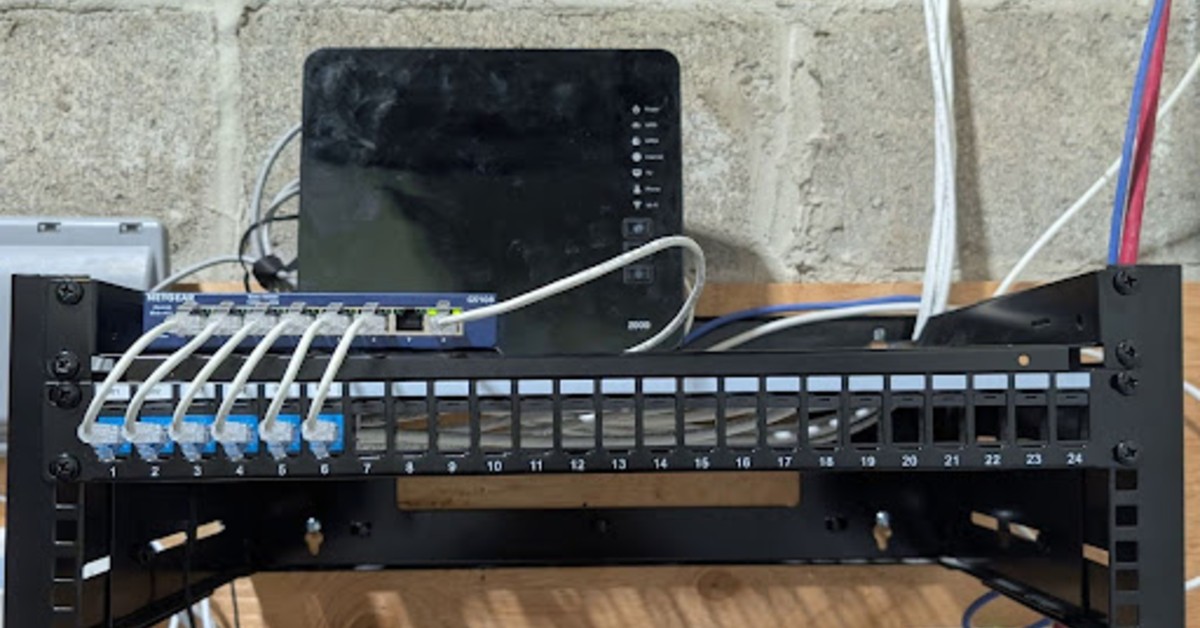
Regular audits prevent small glitches from turning into expensive disasters. A server room often becomes a graveyard for “temporary” fixes that never got removed. Over time, these extra patch cords block airflow and make it impossible to trace a single connection. By auditing your space, you identify abandoned lines that are just taking up space and power.
We look for signs of heat damage on the connectors and check that all cables are properly supported. Hanging wires put stress on the ports of your expensive switches and routers. A quick professional review identifies these structural risks early. Fixing these small details ensures optimal data transmission speeds and keeps your hardware running at peak efficiency.
Ready to boost your office performance? Clever Cabling provides professional network wiring services that create a strong and efficient data infrastructure for your business. We focus on building systems that deliver seamless connectivity and consistent data transmission speeds for your team. Whether you need a full network overhaul or a targeted upgrade, our experienced team can get the job done right.
As a leading commercial cabling contractor in Ontario, we handle everything from site surveys to final testing. Our experts ensure your commercial network cabling meets the highest professional standards. We take pride in helping local businesses stay ahead of the curve with reliable, high-speed solutions. Reach out to us for a free consultation to see how we can modernize your workspace.
What is the average lifespan of network cabling?
Most high-quality copper cables last between ten and fifteen years. While the wire itself might still conduct electricity after that point, the technology usually becomes obsolete. Newer software demands higher bandwidth that older cables simply cannot provide without causing significant errors or slowdowns.
Can I mix different cable categories in my office?
You can physically connect different categories, but it is not a good idea. Your network will only perform at the speed of the slowest cable in the path. Mixing Cat5e and Cat6 creates bottlenecks that prevent you from getting the full value of your high-speed internet.
Does the length of the cable affect my connection?
Yes, Ethernet cables have a maximum reliable distance of 100 metres. If a run exceeds this limit, the signal weakens significantly. This leads to data corruption or a complete loss of connection. We use signal boosters or fiber optics for any runs that need to go further.
How do I tell if a cable is plenum-rated?
Plenum cables have a special coating printed with markings like “CMP.” This material does not give off toxic smoke if a fire occurs. Building codes in Ontario require these specific wires for any space used for air handling, such as dropped ceilings or raised floors.